


Scalable. modular. Future-Ready.

When abstraction alone isn’t enough.
Smarter Test Automation. Built to Evolve.
TestPoint™ is more than a HAL — it’s the heartbeat of an evolving test ecosystem. Built on the principles of modularity, abstraction, and orchestration, TestPoint brings harmony to complex environments by unifying hardware and software under one adaptive framework. From HAL Manager to TASC, Config Editor, and integrated logging tools, every component works in concert to accelerate development, ensure consistency, and prepare your systems for what’s next.
HAL Framework
Simplify Instrument Control. Maximize Modularity.
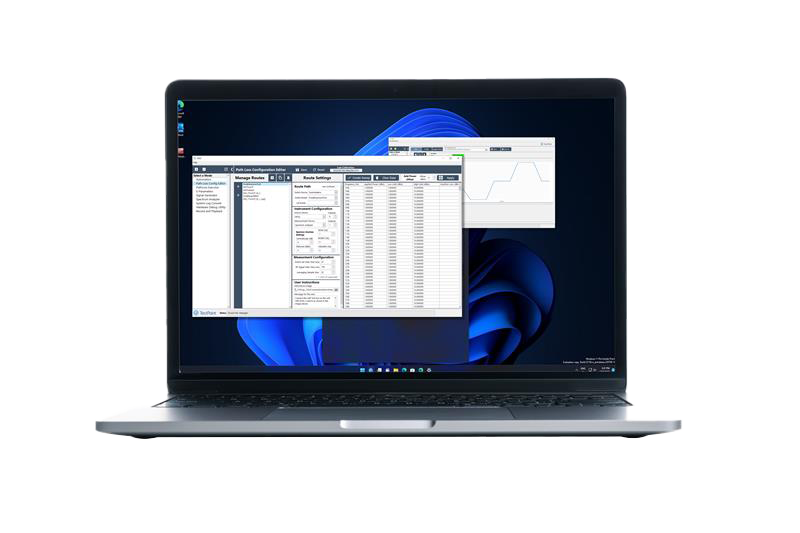
TestPoint’s Hardware Abstraction Layer (HAL) standardizes how test software communicates with hardware by separating test intent from instrument implementation. It enables true hardware interchangeability while maintaining clean, scalable, and maintainable test architecture.
By abstracting both instrument behavior and instrument management, HAL allows test systems to evolve across hardware vendors, models, and programs without forcing software rewrites or large-scale regression testing.
Primary Outcome:
A stable, hardware-agnostic foundation for automated test systems built to evolve.
TASC Framework
Standardize the User Experience. Scale Without Rework.
The TestPoint Automated Solution Center (TASC) is a plugin-based graphical user interface framework designed to standardize how operators, technicians, and engineers interact with automated test systems.
TASC enables reusable, configurable, and multi-threaded user interfaces that scale across stations, programs, and teams—without rebuilding GUIs for every system.
Primary Outcome:
Consistent, reusable test interfaces that simplify operation and reduce development overhead.
Configuration & Tools
Change System Behavior Without Changing Code.
TestPoint is built on a loosely coupled, service-based architecture designed to maximize code reuse while minimizing long-term maintenance and regression testing. Instead of tightly binding functionality together, TestPoint separates responsibilities into modular components that can evolve independently.
Configuration is the thread that ties these components together. It defines how hardware, user interfaces, logging, permissions, and system behavior work together—without hard-coding logic or forcing software changes.
The goal of TestPoint is to make connecting and managing these components as simple and reliable as possible. That process starts with a single application: the TestPoint Configuration Editor.
Primary Outcome:
A configuration-driven test architecture that enables modular reuse, reduces regression burden, and makes system evolution easier to manage.
Logging & Reporting
Capture Everything Without Slowing Anything Down.
TestPoint includes a centralized, asynchronous logging framework designed to capture system activity, test results, and diagnostic data without impacting execution performance.
Logging is treated as a core service—not an afterthought—ensuring traceability, insight, and accountability across the entire test system lifecycle.
Primary Outcome:
Reliable, high-fidelity system visibility without sacrificing test performance.
Expandable Components
Build Once. Extend Safely. Scale and EVOLVE with Confidence.
TestPoint is designed from the ground up to be extende. Its loosely coupled, service-based architecture allows individual components to evolve independently, minimizing regression testing and long-term maintenance risk as systems grow.
Extensibility in TestPoint is not limited to adding features. It encompasses how developers build new capabilities, how software is packaged and deployed, how stations are validated, and how complete solutions are delivered consistently across environments.
Configuration acts as the thread that ties these components together, while a dedicated set of developer tools and lifecycle management utilities ensure extensions are created, deployed, and maintained in a controlled and repeatable way.
Primary Outcome:
A test software platform that scales across teams, stations, and programs without sacrificing stability, traceability, or control.
Training & Support
Enable Teams. Reduce Risk. Sustain Momentum.
TestPoint is not just a framework—it is a methodology. Training and support are built into the platform strategy to ensure teams can adopt, extend, and maintain systems with confidence over time.
Testeract’s training and support model is designed to reduce ramp-up time, eliminate tribal knowledge dependency, and ensure long-term success as systems evolve.
Primary Outcome:
Confident, self-sufficient teams supported by experts who understand both the platform and real test environments.
Is TestPoint the right fit for your team?
TestPoint Fit Test
Is TestPoint a Fit for You?
Answer a few questions about your team, architecture, and test strategy to see whether TestPoint aligns with your environment.
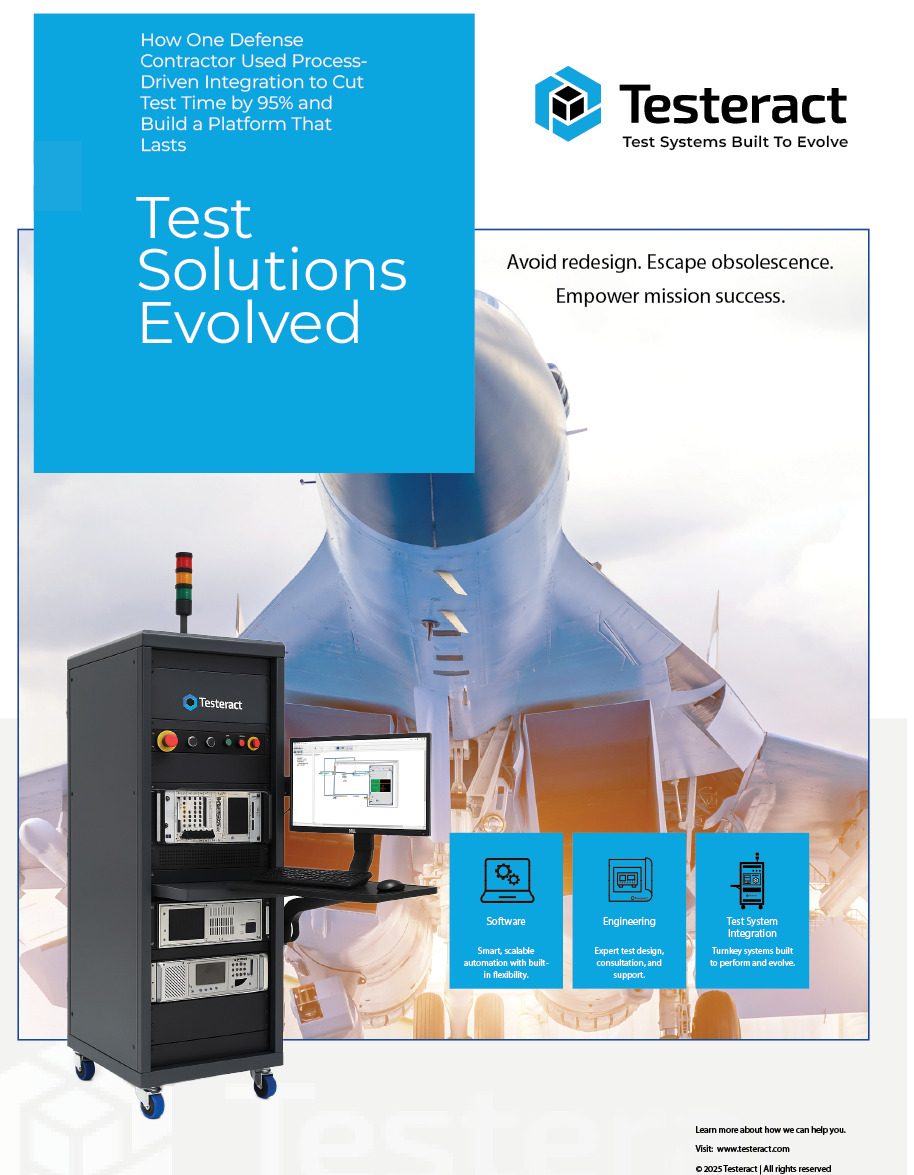
“Testeract helped us achieve in six months what would normally take a year or more. We cut functional test times from two hours to two minutes, compressed thermal cycles from three weeks to three days, and saved millions in the process. More importantly, our engineers now own a scalable, reusable test architecture we can carry forward across programs.”
Senior Engineering Manager, Advanced Test Systems Division
